The 6 Kinds of Asbestos and Why Some Are More Unsafe Than Others
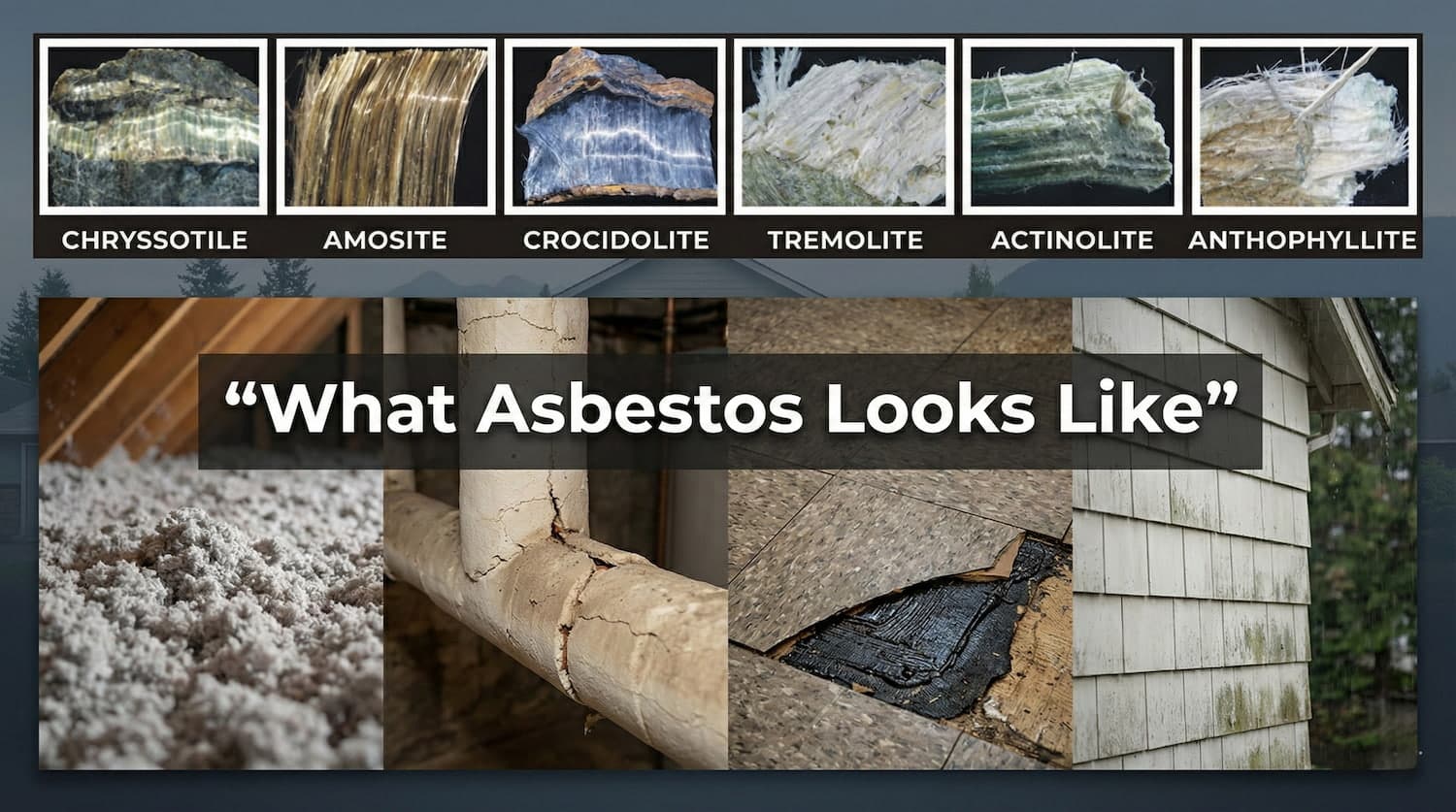
Asbestos describes six minerals: chrysotile, amosite, crocidolite, tremolite, anthophyllite, and actinolite. You'll locate that amphibole kinds— like amosite and especially crocidolite— are even more dangerous, because their straight, needle-like fibers withstand malfunction in your lungs and linger much longer, raising the risk of mesothelioma cancer and asbestosis. Chrysotile fibers are curlier and less relentless, yet still unsafe. Understanding why these distinctions issue can assist you much better examine dangers and safety and security methods moving on.
Takeaways

 * There are six types of asbestos: chrysotile, amosite, crocidolite, tremolite, anthophyllite, and actinolite.
* Asbestos is classified right into 2 groups: serpentine (chrysotile) with curly fibers and amphibole (the other 5) with straight, needle-like fibers.
* Amphibole asbestos kinds, specifically crocidolite and amosite, are much more harmful because of their greater poisoning and biopersistence in the lungs.
* Chrysotile is one of the most generally used but may be much less biopersistent, although all kinds of asbestos position severe health and wellness risks.
* The needle-like shape and toughness of amphibole fibers make them harder for the body to clear, raising condition danger.
* There are six types of asbestos: chrysotile, amosite, crocidolite, tremolite, anthophyllite, and actinolite.
* Asbestos is classified right into 2 groups: serpentine (chrysotile) with curly fibers and amphibole (the other 5) with straight, needle-like fibers.
* Amphibole asbestos kinds, specifically crocidolite and amosite, are much more harmful because of their greater poisoning and biopersistence in the lungs.
* Chrysotile is one of the most generally used but may be much less biopersistent, although all kinds of asbestos position severe health and wellness risks.
* The needle-like shape and toughness of amphibole fibers make them harder for the body to clear, raising condition danger.
What Are the Six Kinds Of Asbestos?
Although asbestos is frequently gone over as a single product, it actually refers to a group of 6 distinctive silicate minerals, each with special chemical make-ups and physical homes. You'll come across two primary asbestos groups: serpentine and amphibole. For serpentine identification, concentrate on chrysotile, the single member, which includes curly, split fibers and accounts for a lot of industrial use. Amphibole features, on the other hand, consist of right, needle-like fibers. There are five amphibole types: amosite, crocidolite, tremolite, anthophyllite, and actinolite. Each amphibole version shows varying iron, magnesium, and silicon content, affecting fiber toughness and biopersistence. Acknowledging these differences is important, as mineral structure impacts exactly how fibers communicate with biological tissue and ecological conditions. Comprehending these 6 asbestos types forms the structure for reviewing their linked dangers.
Which Sorts of Asbestos Are Many Hazardous?
Hazard potential differs markedly amongst asbestos kinds, mostly as a result of distinctions in fiber morphology and biopersistence. If you're assessing risk, it's important to understand that amphibole asbestos-– such as crocidolite and amosite-– displays higher toxicity. Amphibole fibers are straight, needle-like, and more biopersistent, indicating your lungs have greater problem clearing them. This building is straight connected to enhanced rates of mesothelioma and asbestosis, validating the clinical consensus on amphibole poisoning.
On the other hand, chrysotile asbestos, which has curly, serpentine fibers, has stimulated recurring discussion concerning its relative threat. While some studies recommend it's less biopersistent, the chrysotile dispute centers on whether temporary exposures are as harmful as those from amphiboles. Nevertheless, no kind of asbestos is thought about safe, and all types lug significant wellness dangers upon inhalation.
Where Are one of the most Dangerous Asbestos Kinds Found?
You'll encounter the most hazardous asbestos types primarily in industrial websites and factories, where amphibole asbestos was often used for insulation and fireproofing. Residential structure materials, such as ceiling ceramic tiles and pipe insulation, additionally existing significant dangers, specifically in pre-1980 building and construction. Furthermore, shipyards and automobile components typically contain high focus of harmful asbestos fibers, enhancing occupational exposure.
Industrial Sites and Manufacturing Facilities
While commercial sites and manufacturing facilities have actually historically depended on asbestos for its warm resistance and durability, these settings often harbor one of the most unsafe varieties— largely crocidolite (blue asbestos) and amosite (brownish asbestos). You're most likely to come across these fibers in equipment insulation, pipeline lagging, and architectural fireproofing. Industrial hygiene methods regularly mandate rigorous exposure keeping track of to protect workers from airborne fibers, which can permeate deep into the lungs. Reliable plant purification is vital, as recurring asbestos dust continues maturing equipment and building substrates. The table listed below describes where and why these asbestos kinds are widespread:
Asbestos Kind
Common Location
Associated Risk
Crocidolite
Heavy steam pipes
Highest possible inhalation threat
Amosite
Insulation panels
Moderate-high risk
Chrysotile
Gaskets
Reduced danger
Combined fibers
Central heating boiler rooms
Variable threat
Residential Building Materials
Tradition construction frequently conceals substantial asbestos risks within domestic atmospheres, particularly in homes built before the 1980s. You're likely to run into asbestos insulation twisted around pipes, boilers, or attics, where amphibole asbestos, particularly amosite, positions a heightened risk as a result of its friability and needle-like fiber structure. Disturbing these materials during restorations can easily launch unsafe fibers into the air. Furthermore, plastic floor covering set up in mid-century homes regularly has chrysotile asbestos ingrained in the backing or adhesive. While chrysotile is less bio-persistent, broken or shabby ceramic tiles can release respirable fibers. Recognizing the exact asbestos kind and condition is vital— intact asbestos insulation and undisturbed vinyl floor covering typically present minimal danger, but any kind of mechanical interruption markedly boosts exposure potential. Constantly speak with certified professionals before disturbing suspect materials. https://poplarasbestosremoval.co.uk/services/refurbishment-demolition-survey.html
Shipyards and Automotive Parts
Although asbestos finds its way into numerous industrial applications, shipyards and vehicle parts are especially well-known for harboring one of the most dangerous kinds— mostly crocidolite and amosite asbestos. If you collaborate with shipyard rivets or brake linings, you're at increased threat, since these components usually include asbestos for warmth resistance and sturdiness. Crocidolite, with its thin, needle-like fibers, is especially deadly as a result of its capacity to permeate lung cells easily. Amosite, one more amphibole asbestos, is additionally widespread in these atmospheres, specifically within insulation and gaskets. The table below outlines vital places, asbestos types, and connected risks:
Location
Asbestos Type
Health And Wellness Threat Degree
Shipyard Rivets
Crocidolite
Exceptionally High
Brake Linings
Amosite
Extremely High
Gaskets
Amosite
High
Pipeline Insulation
Crocidolite
Incredibly High
Clutch Facings
Amosite
High
Exactly How Can You Tell the Sorts Of Asbestos Apart?
Curiously, differentiating the various types of asbestos isn't constantly straightforward, as their fibers are tiny and commonly combined within construction materials. You can not depend on visual inspection alone, since chrysotile, amosite, and crocidolite have comparable looks wholesale form. Instead, fiber microscopy-– especially polarized light microscopy (PLM) or transmission electron microscopy (TEM)— is required to precisely set apart asbestos types. These methods examine fiber morphology and chemical structure, permitting specific classification by framework (serpentine vs. amphibole) and essential material. In the field, initial field screening might involve sampling and portable logical tools, but definitive recognition needs laboratory analysis. Comprehending which asbestos kind exists is critical, as fiber size, shape, and resilience straight affect health dangers and necessary removal procedures.
Can You Determine Asbestos in Your Home or Work environment?

Within several property and industrial structures, asbestos-containing products may be present without noticeable indicators, making recognition testing for passengers and residential or commercial property supervisors. You can't dependably identify asbestos exclusively via aesthetic assessment, as its fibers are tiny and typically ingrained within various items like insulation, ceiling floor tiles, or flooring. Also educated specialists often need laboratory analysis to validate asbestos visibility. Air tracking is an additional evidence-based strategy, made use of to detect air-borne asbestos fibers, specifically after disturbance of suspicious products. Consider the adhering to comparison:
Recognition Method
Summary
Visual Examination
Non-invasive; does not have certainty; restricted by resemblances to non-asbestos materials.
Air Monitoring
Identifies air-borne fibers; crucial after product disruption; needs customized equipment.
Relying entirely on alone monitoring is inadequate for specific asbestos discovery, highlighting the requirement for specialist evaluation and verified testing approaches.
Just how to Secure Yourself From Asbestos Exposure
If you presume asbestos exists, you'll require to focus on qualified breathing protection and non reusable coveralls to lessen fiber breathing and contamination. Strict adherence to recognized secure handling protocols, including wet approaches and controlled garbage disposal, markedly decreases airborne bit release. It's important to follow regulative standards to ensure both personal and ecological safety throughout any type of interaction with asbestos-containing products. https://poplarasbestosremoval.co.uk/services/soft-strip-demolition.html
Personal Safety Equipment Fundamentals
Regularly lessening asbestos direct exposure danger requires the proper usage of individual safety tools (PPE), as even brief experiences with airborne asbestos fibers can lead to severe health and wellness effects. You need to choose PPE that fulfills regulative criteria and supplies efficient barriers versus fiber penetration. Appropriate respirator selection is essential— usage only NIOSH-approved, P100 or greater performance particulate air (HEPA) filter respirators. Glove materials should be nonporous, such as nitrile or butyl rubber, to stop dermal get in touch with. Make sure all equipment fits correctly and is maintained in peak condition. The best PPE significantly reduces your danger of inhalation or skin absorption.
- NIOSH-approved P100 respirators for particulate filtering
- Disposable coveralls with covered seams
- Impermeable handwear covers (nitrile, butyl rubber)
- Safety glasses with side shields
- Non reusable shoe covers for contamination control
Safe Handling Procedures
While appropriate PPE forms an essential protection, your danger of asbestos exposure continues to be considerable without rigorous adherence to secure handling treatments. You need to comply with all-encompassing training methods that stress decreasing fiber launch, using damp methods to subdue dust, and avoiding any type of action that could disturb asbestos-containing products unnecessarily. Only authorized, trained workers should handle or carry asbestos. Always have and classify waste in leak-tight containers. Establish decontamination terminals in any way gain access to points, ensuring you thoroughly clean or eliminate polluted clothes and tools before leaving the job location. Never consume, drink, or smoke within the polluted area. Routinely testimonial and update your site-specific treatments based on current guidelines and run the risk of analyses. Diligent application of these methods substantively lowers your likelihood of dangerous direct exposure.
Regularly Asked Inquiries
Can Asbestos Exposure Cause Health Issue in Pet Dogs?
Yes, asbestos exposure can cause wellness issues in pets. You could see pet signs and symptoms like coughing, labored breathing, or lethargy. Because asbestos fibers can come to be lodged in the respiratory tract, they might induce asbestosis, pleural effusion, and even mesothelioma in animals. If you think direct exposure, punctual family pet medical diagnosis by a vet utilizing radiography or cytology is vital. Early intervention can alleviate condition progression and improve your pet dog's prognosis.
Is Asbestos Still Mined or Created Throughout the Globe?
You might believe asbestos mining is ancient history, however astonishingly, present mining and recurring manufacturing still persist in a few nations. Although numerous nations have prohibited asbestos due to its well-documented health risks, places like Russia, China, and Kazakhstan proceed commercial removal and exportation. You'll locate that international laws vary, and regardless of frustrating scientific agreement on its dangers, worldwide asbestos usage hasn't been totally gotten rid of— so recognition continues to be vital.
For how long Does It Take for Asbestos-Related Diseases to Develop?
You'll normally see asbestos-related diseases establish after latency periods ranging from 10 to 50 years post-exposure. The size of the latency period depends upon aspects like advancing exposure and specific susceptibility. https://poplarasbestosremoval.co.uk/services/garage-shed-roof-removal.html There's a clear dose-response connection: greater and a lot more long term exposure enhances your threat and may shorten the latency. Scientific proof shows problems such as asbestosis, lung cancer cells, and mesothelioma cancer typically existing decades after your first asbestos direct exposure.
Are There Safe Levels of Asbestos Direct Exposure?
There aren't absolutely secure levels of asbestos exposure. Regulative limits and work limitations, such as OSHA's permissible direct exposure limitation (PEL) of 0.1 fibers per cubic centimeter over an 8-hour shift, exist to minimize risk, but no direct exposure level is considered totally safe. Also low focus have actually been related to illness advancement. Subsequently, you ought to constantly implement extensive controls and personal safety devices to lower direct exposure as a lot as possible in work-related setups.
Can Asbestos Contaminate Dirt or Water Supplies?
Definitely, asbestos can pollute dirt and water supplies— visualize an unnoticeable military of fibers attacking your setting! When asbestos-containing materials deteriorate or are incorrectly taken care of, fibers can work out in the dirt. Rainfall and surface area water can then activate asbestos overflow, allowing fibers to migrate and infiltrate groundwater resources. Scientific researches confirm that groundwater seepage brings about relentless contamination, posturing significant dangers to public wellness and calling for rigorous removal procedures to mitigate exposure.